As you embark in this journey I thought on making some (useful?) remarks on the art of violin making.
Imagine, you, used to screw up cheap pine, now having the opportunity of screwing expensive tone wood too!
I joke, of course!
Mindfulness
One thing that attracts me to violin making is to focus on the present moment, slow down, and (really) think on whatever task at hand. Rushing into anything will only make things worse.

Preparedness
Before embarking on instrument making or tool making, please, prepare.
Do you have the materials? Glue is fresh? Are all tools involved duly sharpened? Do you have time to (really) think about the process and tasks at hand?
It also makes me remember of puttering:
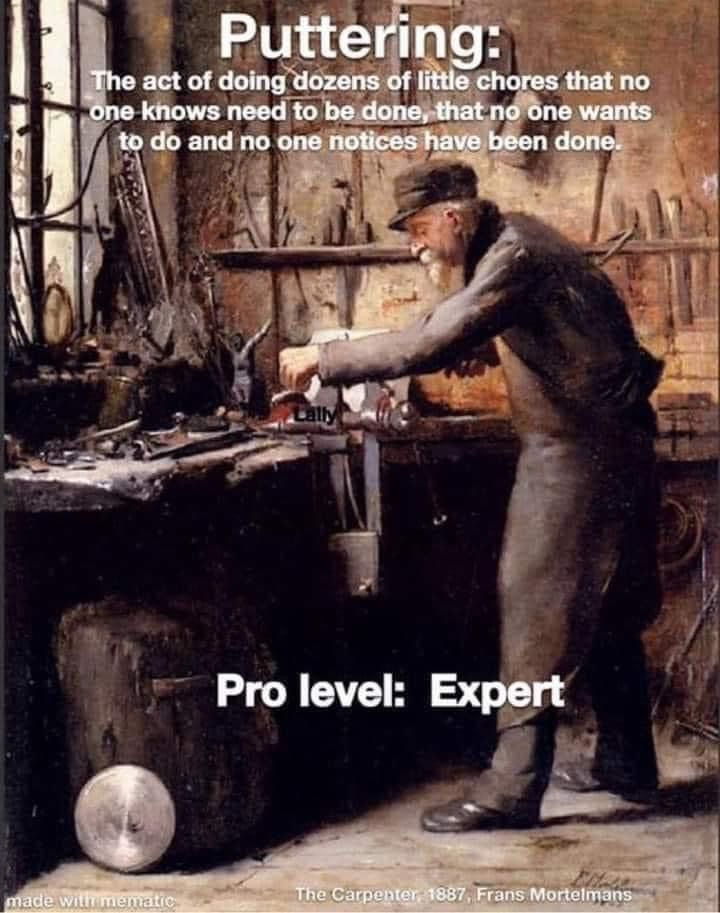
That’s almost a lost art, and it also means to pleasantly occupying yourself with inane things. In organisations, sometimes it happens that someone goes on leave or is made redundant and other simple things start to act in disarray. Most likely you let the invisible putterer go!
Also, it makes me prepare: sharpening tools, reasoning about the task in hand, and most importantly: feeling proud of my achievements.
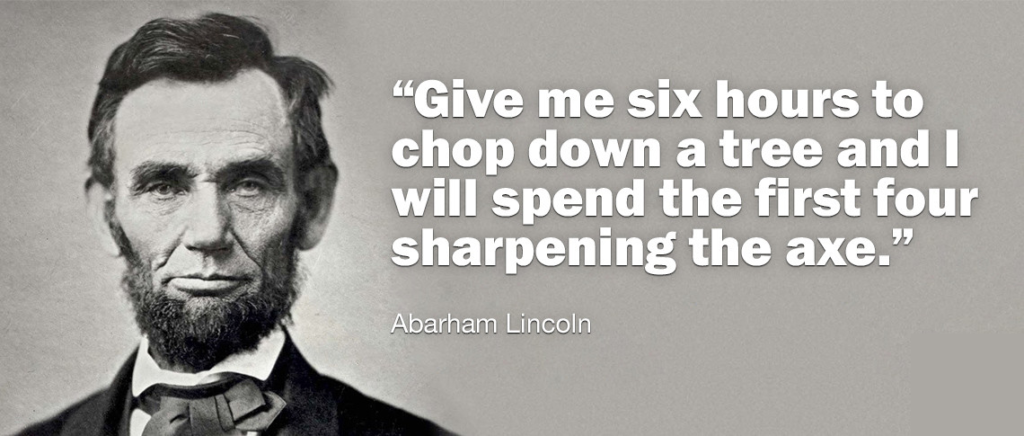
Wise.
Quick note on sharpening
Learn when to stop obsessing about sharpening though: do you need a secondary bevel? Do you need a new jig? Diamond or stone? Is it sharpen enough? Must I sharpen my rasps?.1
Just stop.
Woodworking or Violin Making?
Consider the following quote:
When I made a cello with my son a professional violin maker specialising in cello making asked me why we chose the cello as a first instrument, commenting on how beautiful the instrument was. I asked him why and he answered, “Because it is the most difficult instrument of all to make.” My answer to him though was, “We didn’t know we couldn’t make one so we made it.” You see, to me, violin making is total woodworking with the presumption of the job description. Tell someone you are a carpenter and the hearer just goes, “Oh.” Say you are a violin maker and they go, “Oh, wow!”
Paul Sellers, commenting on this post.
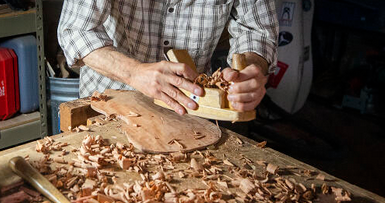
Yes, revered O’Meister Paul – you can’t be more right: “violin making is total woodworking.” Of course, the lore, the mystique, the narratives, all that crap (pardon my French), are but attempts to make violin makers sit on the realm of god-like creatures, when in essence, they are woodworkers. I digress.
Main (nature-based) ingredients
It’s rather incredible that one can make a violin out of only wood and animals.
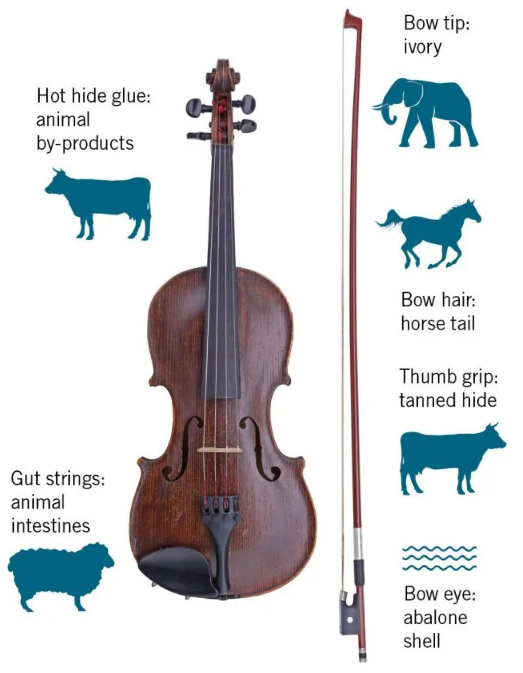
Animal (hide) glue’s major characteristic is to be reversible, ie, one can repair a violin without ever breaking its constituent parts.
Of course a lot of those items are not sustainable, vis-à-vis Ebony wood (used in pegs, tailpiece, chinrest, and fingerboard), ivory, etc. There are companies thriving on attempting to substitute those items with quality replacements. One example is Sonowood (Switzerland).
If you want to go down this rabbit hole, visit Vegan Violin’s website. The maker’s glue is made out of wild berries and local spring water.
Other glues
I don’t know much about wild berry glue (will “research” a bit more about it – this is one starting point), however, one can make glue using this list of ingredients (YT video link):
- Sugar: 300 grams
- White Plain Flour: 190 grams
- Vinegar/Lemon Juice: 3 tablespoons
- Baking Soda: 2 tablespoons
- Water Room Temperature: 1 liter
- Listerine: 1 tablespoon (optional)
Flamed maple
There are maple and there are maple. Look:
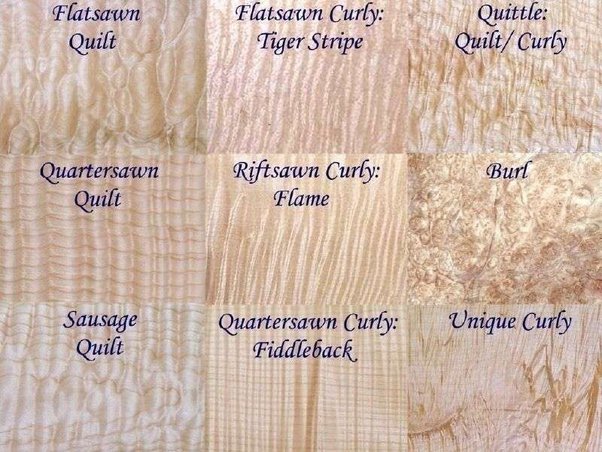
It relates to the property of Chatoyancy (cat’s eye, from the French word for cat, ie, “chat”) in wood (although applicable to other materials, such as gems, etc.). It’s an optical reflectance effect that gives the impression of having a 3D surface.
Also called flame, ribbon, tiger stripe, quilting, also sometimes known as wet look, as water (until it dries out) reproduces the effect. It can be made more persistent with the use of finishes such as shellac or epoxy.
Violin hygrometry
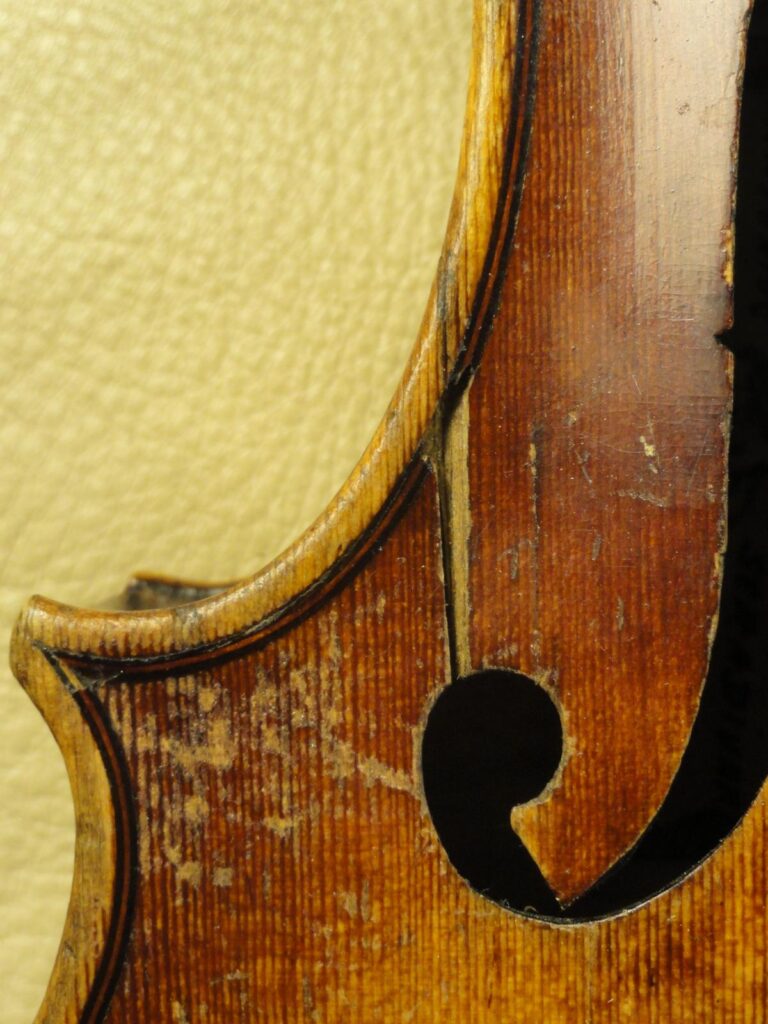
Humidity changes from place to place might produce cracks on wood based instruments. More explanations in this link.
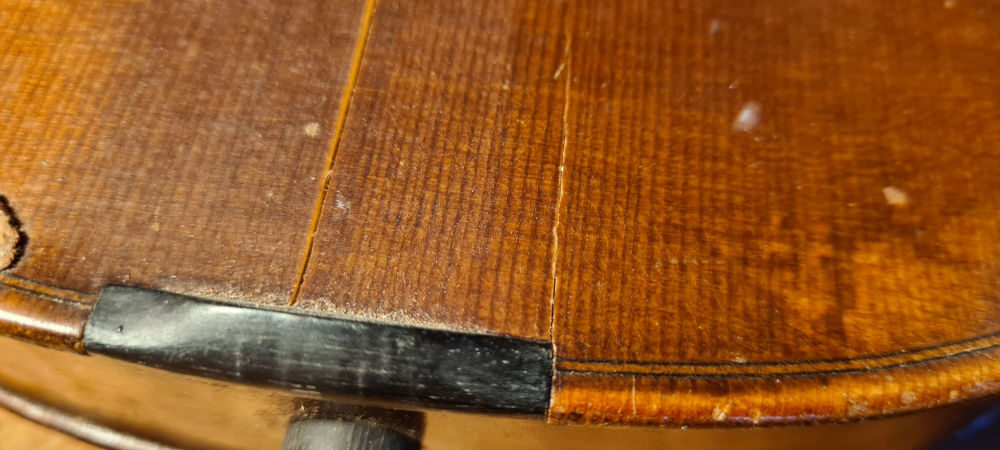
Good humidity levels vary from 50% to 70% (according to that link above), but one must take necessary precautions to avoid such damage.
Epilogue
That’s it, for now. Hope you have learned something today, as have I. Keep learning, keep studying.
Best of luck, folks.
Footnotes
- The jury is out on this one – at least for me – I was under the ‘school of thought’ that only burnishing was enough, however, nowadays, I don’t know what to think anymore, let’s see what happens. ↩︎