Imagine this:

The horror!
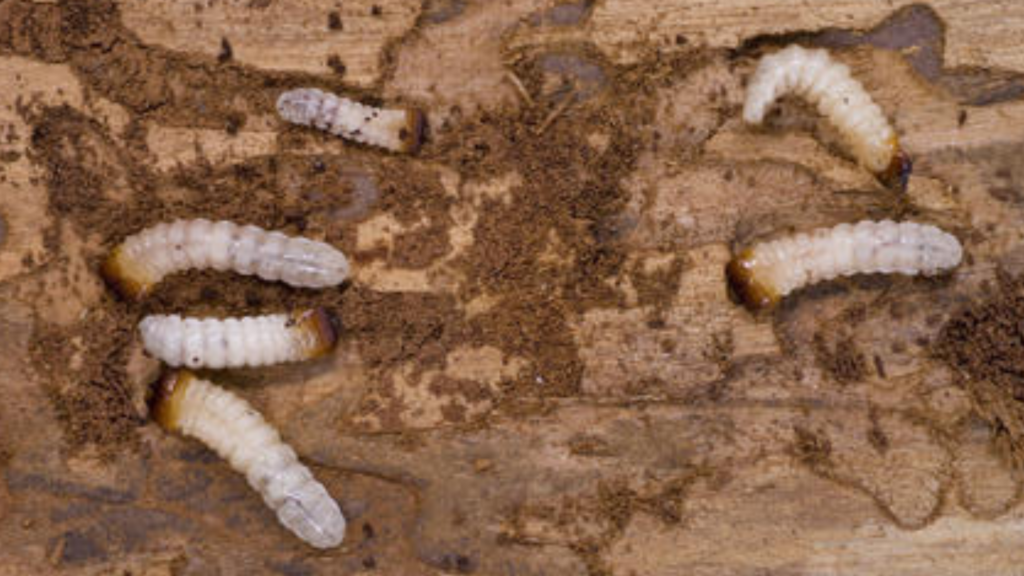
Woodworms are not worms, they are actually the larvae of wood boring beetles. These insects will lay out eggs during the summer in any wood crack. After these eggs hatch, they start eating away wood creating burrows as they eat.
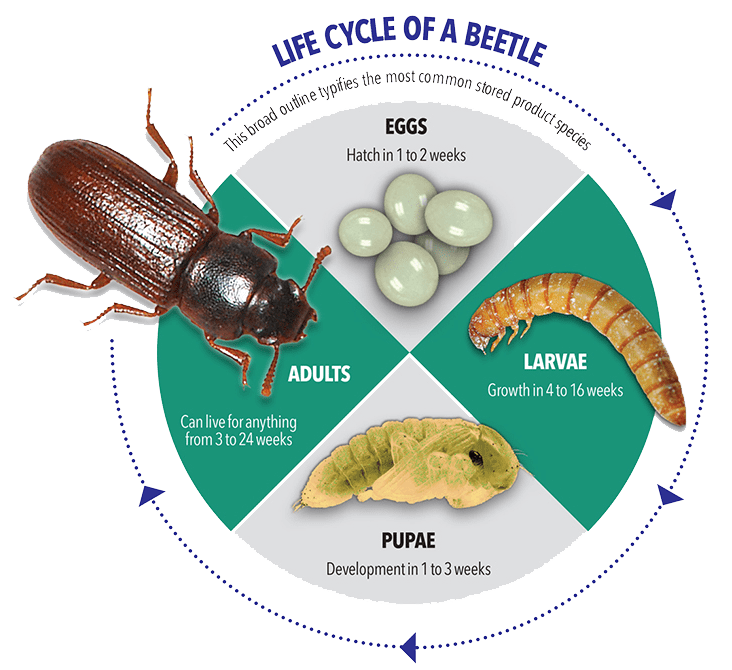
Lifecycle
This is the lifecycle of woodworms.
Some factoids (wanting to be truths) I’ve found on the Internets (I have yet found time to validate these claims, sorry):
- Sap (the resin found on trees, ie, “Sapwood is xylem that is still carrying water from the roots to the tree’s crown”) increases the likelihood of woodworm infestation.
- Woodworms are attracted by humidity.
- The trees used by the great masters luthiers were soaked in (sea) water, where they absorbed minerals and created a natural protection against woodworms.
- Use of Dragon’s Blood1 as varnish – sadly, it’s hard to find this ingredient in modern times.
Woodworms will eat wood out of furniture, doors, windows, flooring, and violins/violas/cellos – whatever has wood. They don’t care whether or not it’s a Guadagnini or a Markneukirchen mass produced piece.
Species
There are three most common species of woodworms:
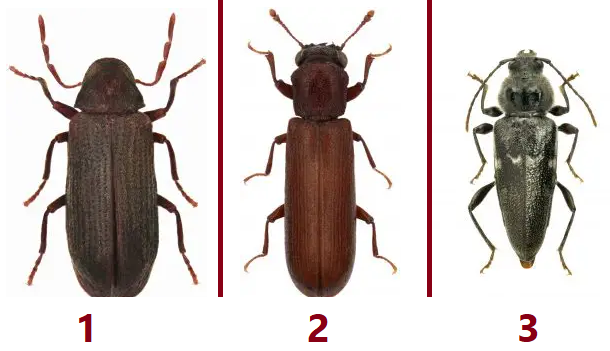
(2) Powder Post Beetle.
(3) House Longhorn Beetle.
Any specie will eat wood, evidently.
Tips
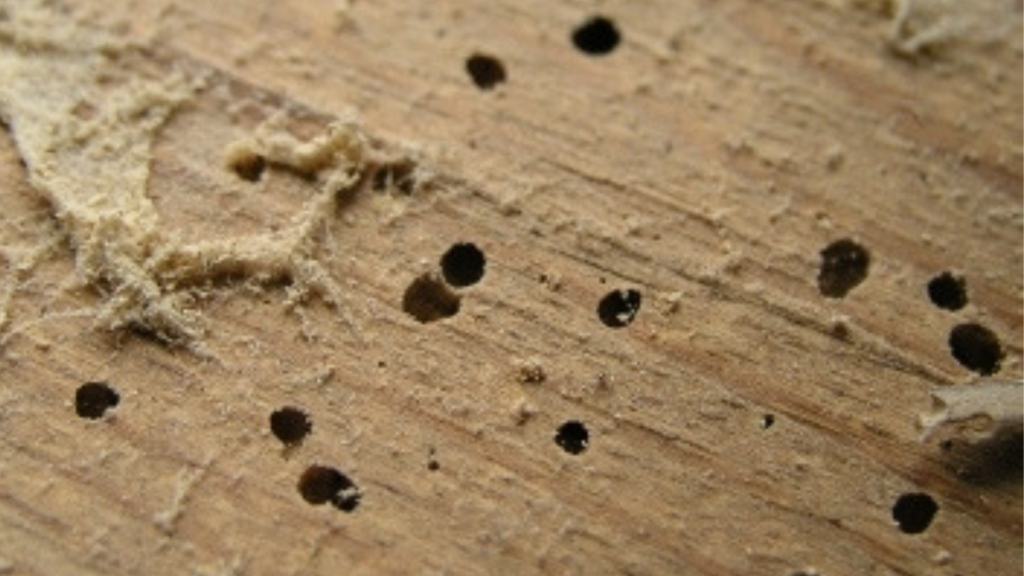
Look for small holes in your violin to inspect woodworm infestation. And then be prepared for taking care of it – don’t do nothing.

The damage they can cause!
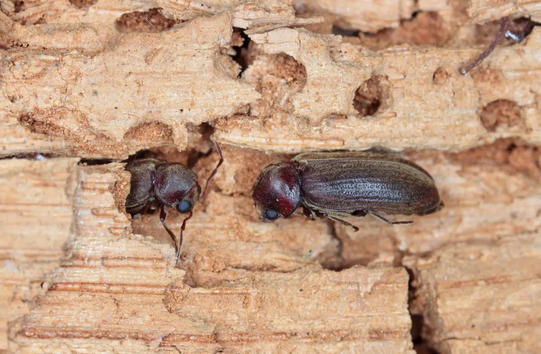
Two woodworms eating away wood until they were discovered.
Epilogue
This article suggests that the secret of old masters was related to wood treatment against woodworms. It suggests that “The mineral-infused wood is thought to repel hungry woodworms – and is one of the key differences between a ‘Strad’ violin and all violins and other stringed instruments made since.”.
Well, the jury is out on this one.
References
- This is anecdotal. ↩︎