Wood movement happens in humidity changes – every woodworker knows that. They account for this differences using clever ways of taming wood movement altogether.
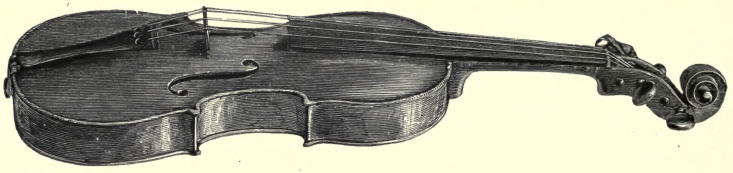
It’s the same in violin making, cracks occur, evidently. Accounting for its prevention is trickier, though.
Dogs mark territories; restorers don’t mark their violins.
Unknown author.
Let’s make a distinction from the get go though: repair is different from restore.
A repair is a quick fix, whereas a restore is something that requires years of experience and expertise. In a restoration job you would never notice the difference between before and after.
Examples

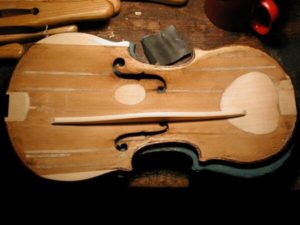
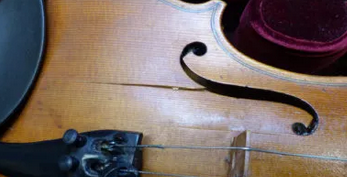
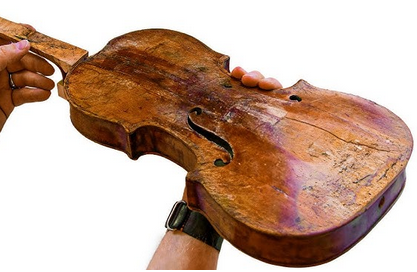
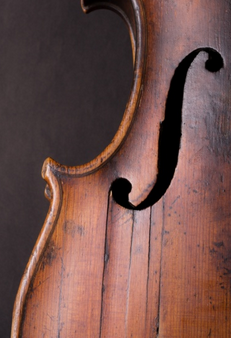
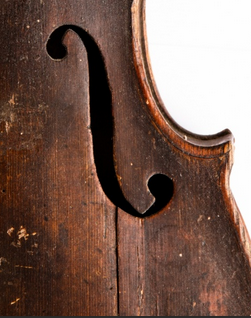
Understanding cracks is valuable (and transferable) to violin making. One can think about the points of stress and employ proactive measures to overcome them.
Ethics of repairs
Ideally, one can’t notice any repair work. You are invisible, able of getting in and out inconspicuously, in the dark of the night.
Repairs should be made with the top of one’s ability, however, additional labels (Repair Labels – more on Maestronet) could be put on the instrument for commenting on those and allowing others to inspect them (I read somewhere that this was a practice in English violin repairing – I could be wrong).
I am not saying this is what to do – do whatever you want – I personally would not do it. There are restorers and there are restorers. If you did a good job you would take credit, however, a bad job would blame you for life.
Preliminaries
Contact an expert – don’t try to repair if you don’t work with violin making (even if you do, really). Anything you do will ruin the piece. Drop it. Now.
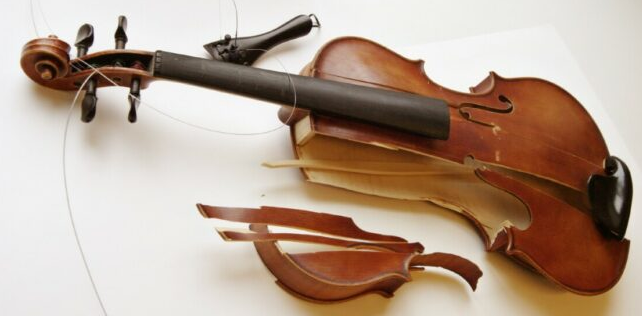
Well, that’s unfortunate.
Repairs
A lot of cracks and issues related to cracks will appear with the use of a long wave UV lamp. You can buy this (in the UK) for less than £10.
If it is only a scratch, and you are not happy of having this in your instrument, you can try to fix it yourself by applying paraffin oil and a soft cloth.
Open seams
This happens when top or bottom loose adherence.
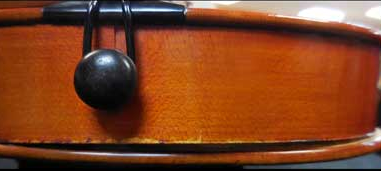
End pin crack
It’s not usual, however, one might have issues in the end pin.
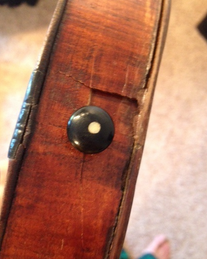
Rib damage or cracks
Damage to ribs also happen.
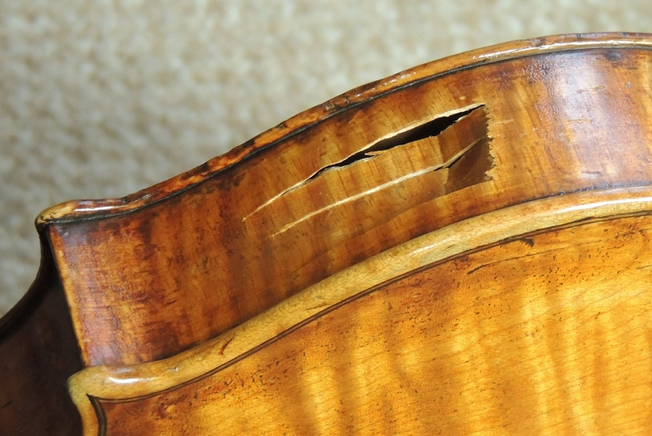

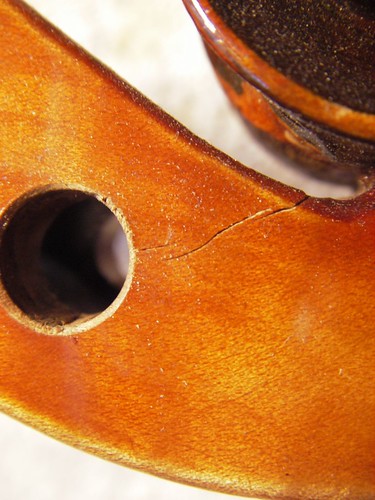
Pegbox damage
And issues in the pegbox, of course.
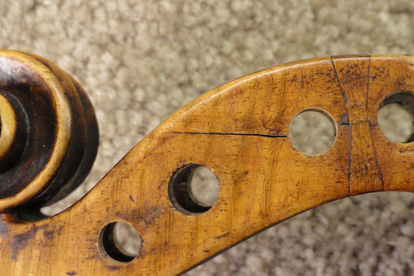
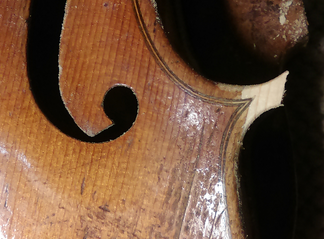
Corner replacement
Another area of concern are the four corners of a violin, sometimes requiring a full replacement job.
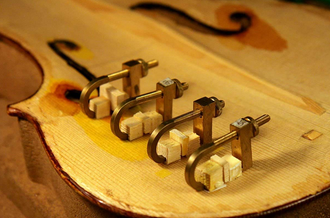
Repair tools
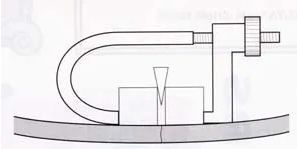
Use of brass hold/holders/clamps for crack repairs. This is the tool:

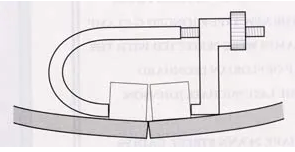
Notice the small edge in the figure. The principle is to allow the clamping forces to do the following:
Other things
- Produce a “condition report” about an instrument and its repairs.
- Having an insurance from companies that especialises in musical instruments is sometimes useful, and cover some repairs.
Epilogue
Wood moves and cracks and breaks. Violins are quite fragile. They are not made of adamantium.
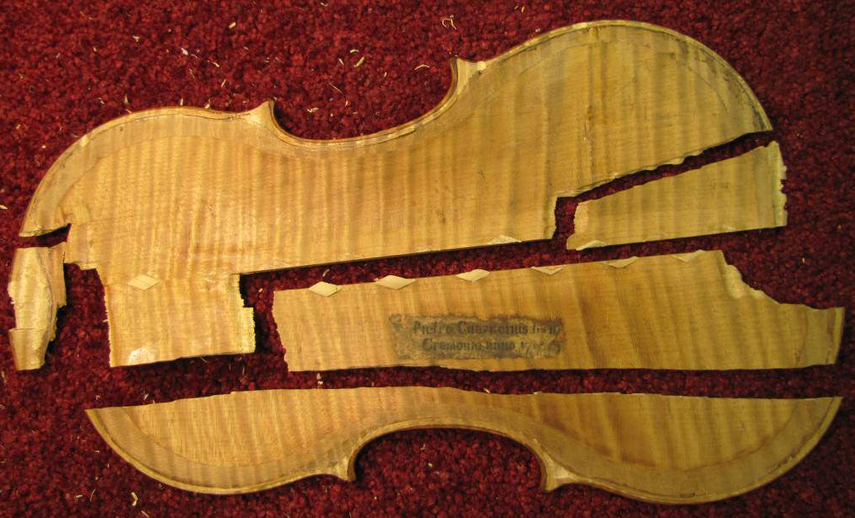
All this repair talk made me think that this is a skill that takes time to develop and mature, and we all should leave it to professionals, really.
There are violin makers that only repair the instruments they’ve created.