The usual process to follow is to start with the c-bout and then fit the upper and lower ribs.
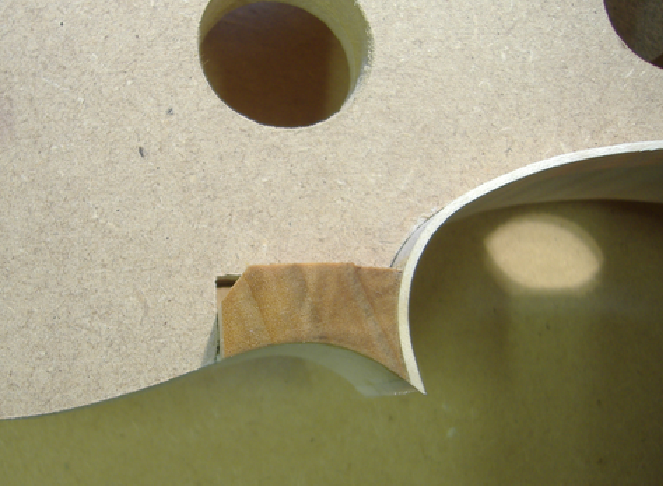
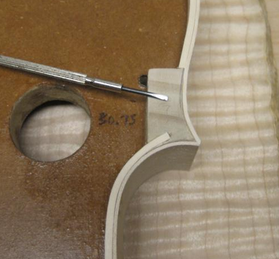
Note the resulting angle at the end of the rib. Now, add the other ribs:
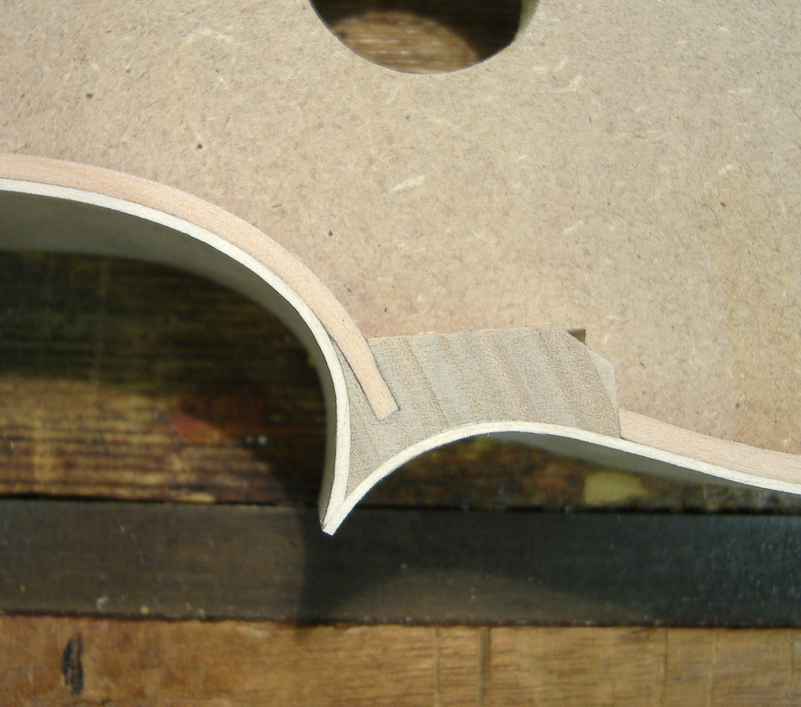
This picture also show that the C-bout lining is morticed into the block, for additional security and preventing from “unglueing”. Is this strictly necessary? I don’t know, I’ve seen violin makers not bothering at all to this.
More examples:
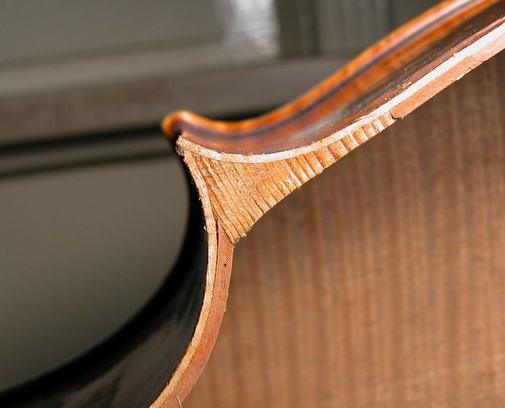
(2) Another design for morticing it (by Schweitzer).
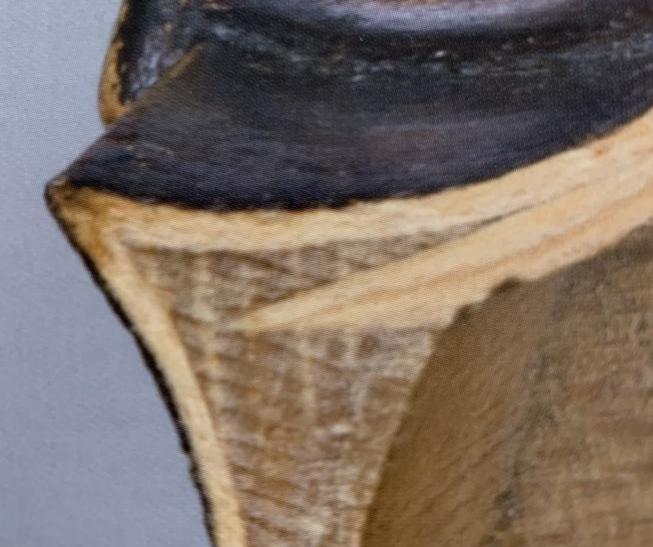
(3) A Mittenwald style way of morticing the lining.
Observe the next figure (sourced from Making The Violin):

Finishing it:

What we are describing here is (so called) “cornerblockology” then (see Maestronet Forum discussion on French related discussion).
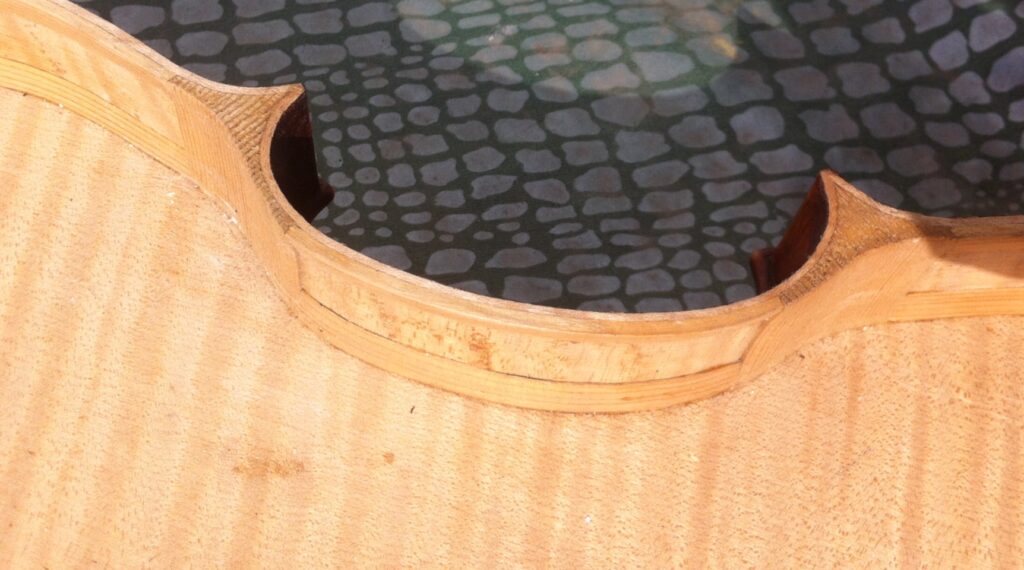
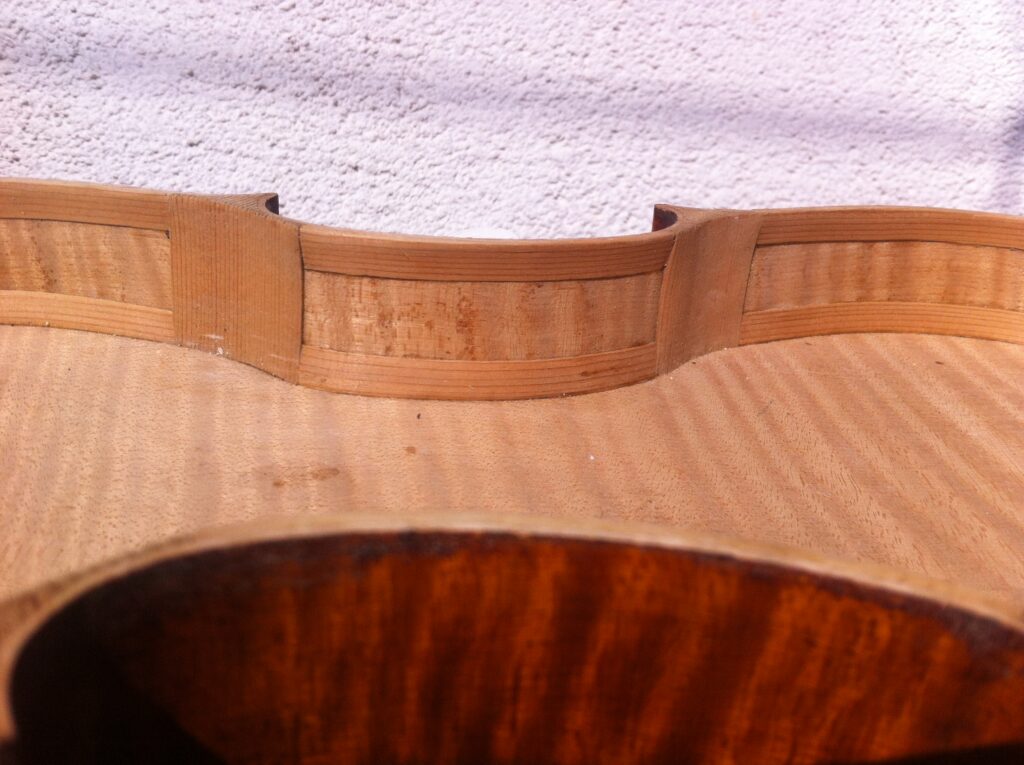
Rodolfo Fredi took the approach of having the linings running over the blocks (in this 1920 violin):
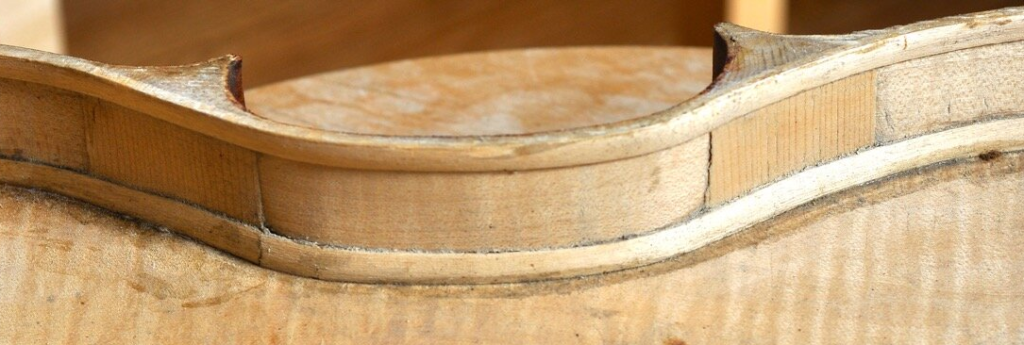

This one follows this pattern:
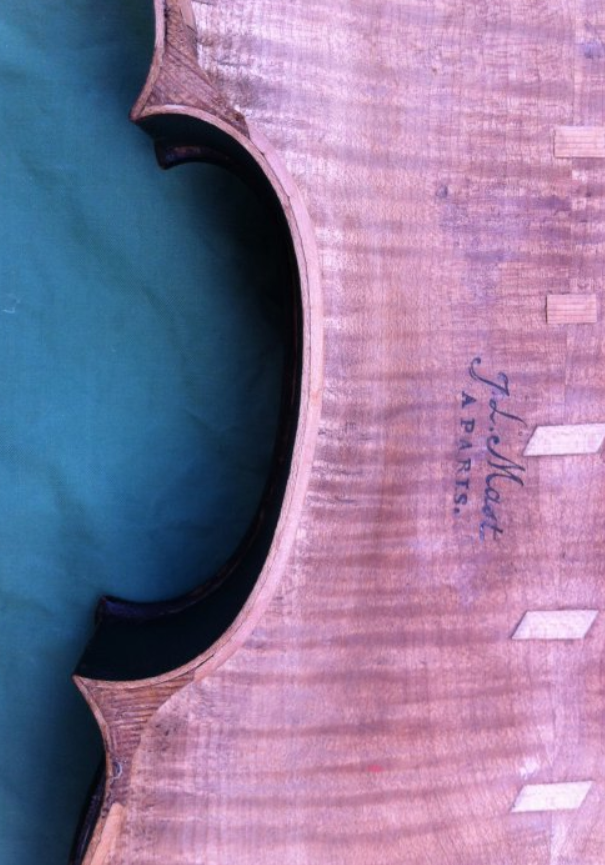
A ‘no-block’ (blockless?) approach (or just something out of a repair phase):
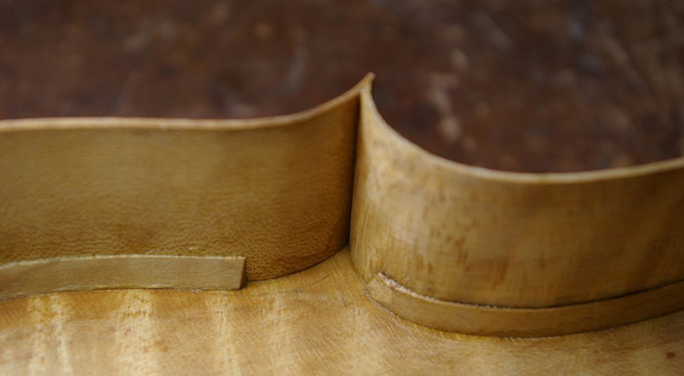
Or with just a small piece to sustain the structure:
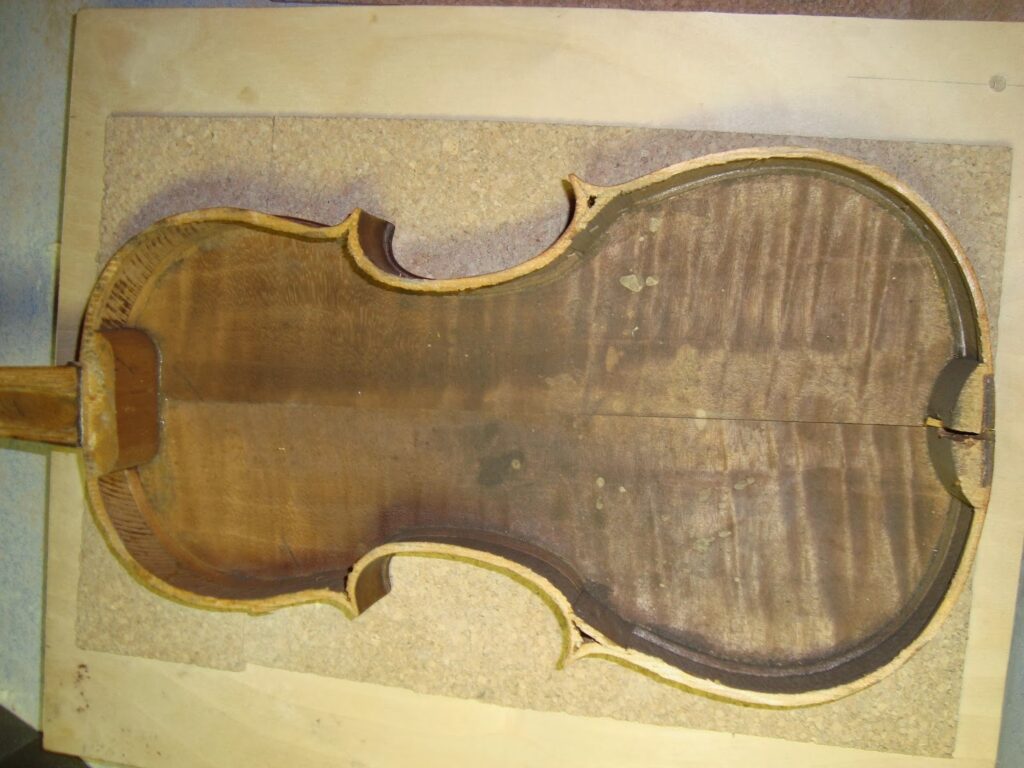
Take a closer look:
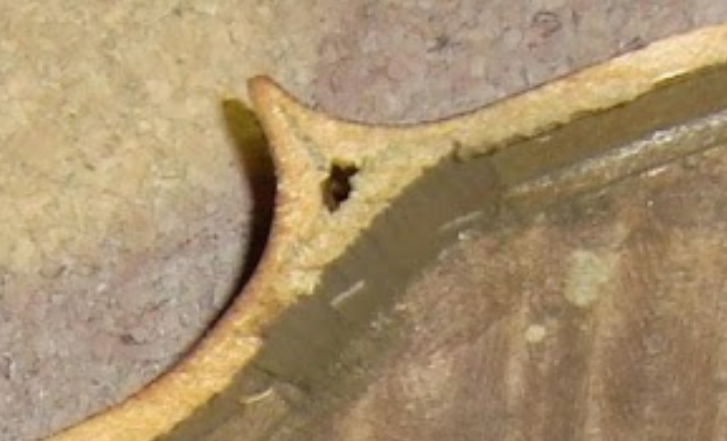
With just a ‘rough’ piece of wood (oh, the horror that this is):
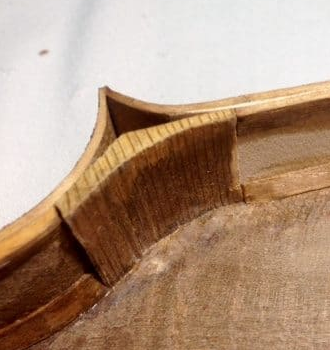
In Mittenwald/Germany, sometimes the rib corner joints were on the C bout sides.
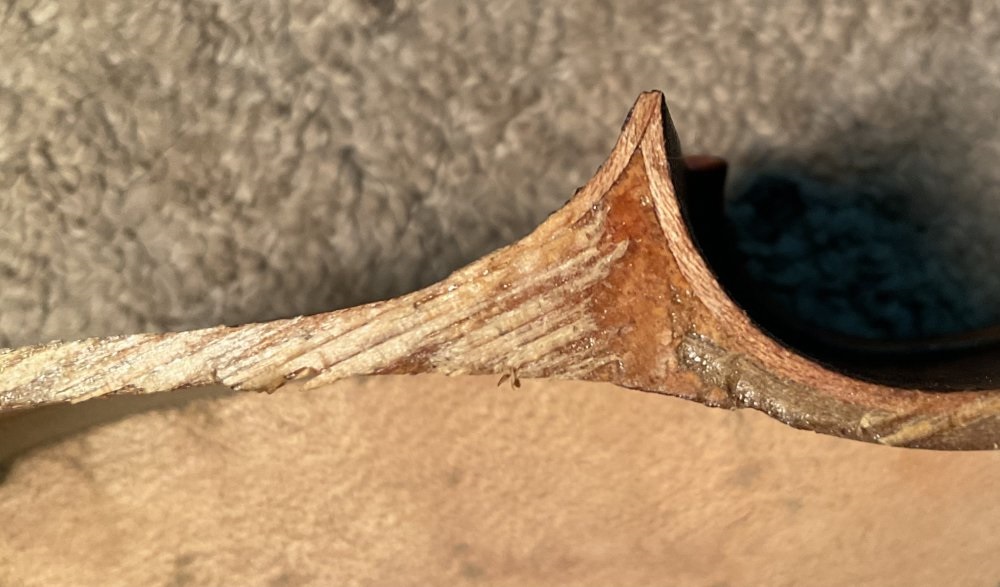
Sometimes, they would joint it evenly (I particularly dislike the lack of skill whilst joining the ribs on this one though):
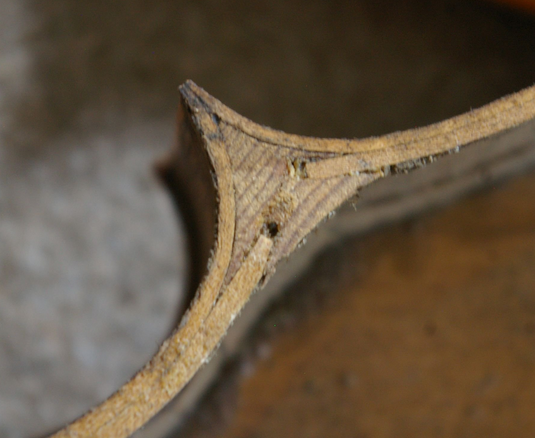
Note the tenons in the rib block.
In this one, it is a combination of both ideas:
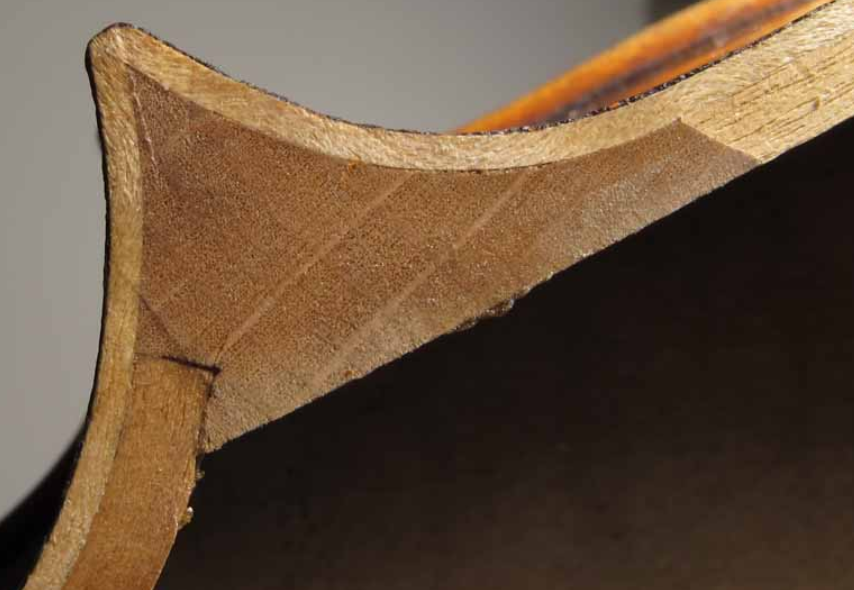
This is the final product:
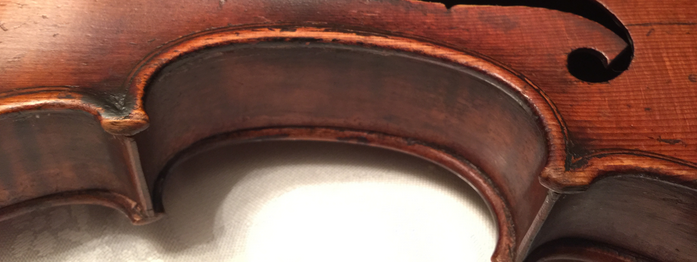
One can see how the c-bout gets inside the upper and lower ribs.
Well, you could always avoid all this trouble and go cornerless (1718’s Stradivari Chanot-Chardon – more information on the “Archivio della Liuteria Cremonese”):
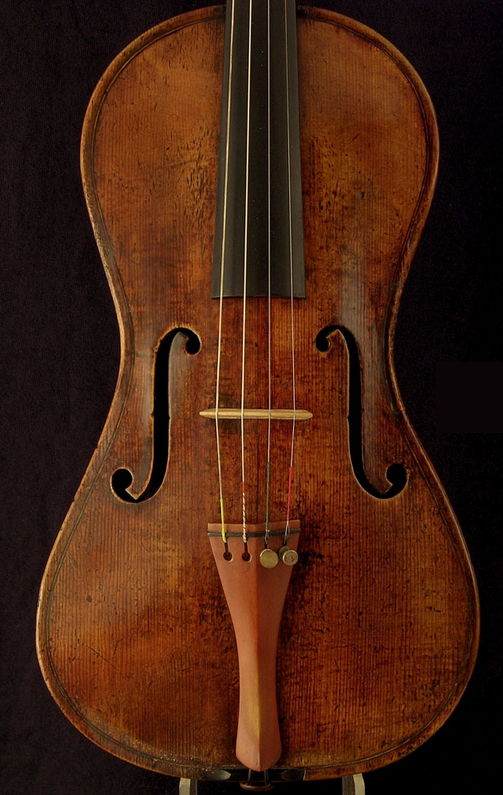
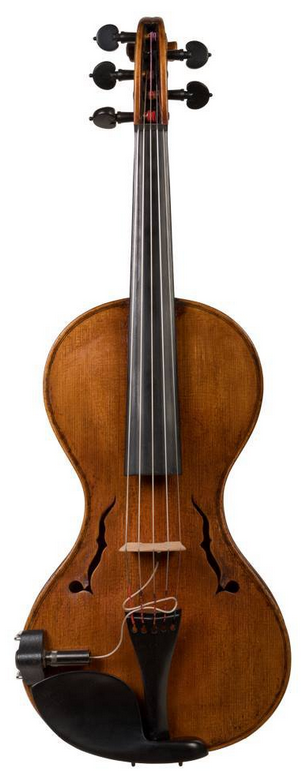
Or this Peter Seman‘s 5-string, a more modern one: